
Many homeowners follow cleaning habits that feel effective but may not deliver the results they expect. These routines often come from long-standing beliefs passed down over time.
The challenge is that not everything commonly believed about cleaning is actually helpful. Some habits may even make upkeep harder without anyone realizing it.
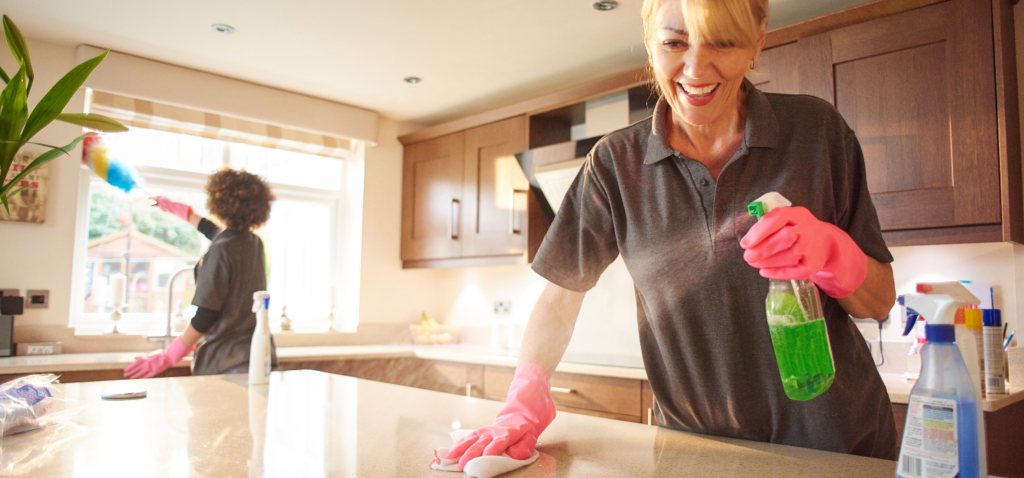
Why Cleaning Myths Develop in Everyday Homes
Cleaning myths often start with good intentions. They spread because they seem logical and produce immediate, visible results even if they are not truly effective.
Over time, these habits become routine, even when they don’t fully solve underlying cleaning issues. This is especially common in busy households where speed matters more than technique.
Where these myths usually come from
- Advice passed between family members
- Social media cleaning shortcuts
- Misunderstood product instructions
- Habits formed from trial and error
Understanding their origin helps homeowners rethink what actually works.
Common Mistakes That Reinforce Cleaning Myths
Many cleaning myths continue because they are reinforced by repeated mistakes. Homeowners may not realize that certain actions are working against them.
For example, using more product than needed can leave residue behind, attracting more dust and dirt over time. This creates a cycle that feels like constant cleaning is required.
Frequent habits that reduce effectiveness
- Overusing cleaning sprays or liquids
- Wiping surfaces without proper technique
- Skipping drying or rinsing steps
- Using the same cloth across multiple areas
These habits often feel productive but lead to inconsistent results.
Smarter Ways to Approach Everyday Cleaning
Improving results does not always require more effort. It often comes down to using more intentional methods and consistent routines.
One effective approach is working in structured steps instead of random cleaning bursts. This helps prevent missed areas and reduces unnecessary repetition.
Simple strategies that improve outcomes
- Clean from top to bottom in each room
- Use lightly dampened microfiber cloths
- Allow products to sit briefly before wiping
- Rotate cleaning focus areas weekly
For homeowners looking to maintain more consistent routines, structured home upkeep support like recurring cleaning can help reinforce better long-term habits.
Habits That Help Break Cleaning Myths
Once homeowners recognize common myths, replacing them with better habits becomes easier. Small adjustments can significantly improve cleanliness over time.
Consistency is more important than intensity. Regular attention to key areas prevents buildup that often leads to over-cleaning later.
Better long-term cleaning habits
- Address small messes immediately
- Stick to simple, repeatable routines
- Focus on high-touch surfaces regularly
- Keep cleaning tools properly maintained
These habits reduce confusion and improve overall home maintenance.
Why Cleaning Myths Persist Despite Better Tools
Even with modern cleaning tools, myths continue because habits are hard to break. People often trust what feels familiar rather than what is most effective.
Another reason is that results are not always immediately obvious. Some cleaning mistakes take time to show their impact, which makes them harder to recognize.
Frequently Asked Questions
Why do cleaning myths still exist today?
They persist because they are passed down through habit and often seem effective at first glance.
Are most common cleaning shortcuts reliable?
Not always, as many shortcuts overlook important steps that affect long-term cleanliness.
How can I tell if a cleaning habit is outdated?
If results are inconsistent or buildup returns quickly, the method may need adjustment.
Do more cleaning products improve results?
No, using too much product can leave residue that attracts more dirt.
Why does dust return so quickly after cleaning?
It may be due to ineffective wiping methods or improper tool usage.
Can small changes really improve cleaning results?
Yes, even small adjustments in technique can significantly improve effectiveness.
What is the easiest way to improve daily cleaning?
Focus on consistency and simple routines rather than intensive occasional cleaning.
Conclusion
Cleaning myths often shape daily routines without homeowners realizing their impact. By understanding how these habits form and adjusting them gradually, maintaining a cleaner home becomes more manageable. Maid Pure Cleaning Services shares helpful insights like these to support better home care practices.
